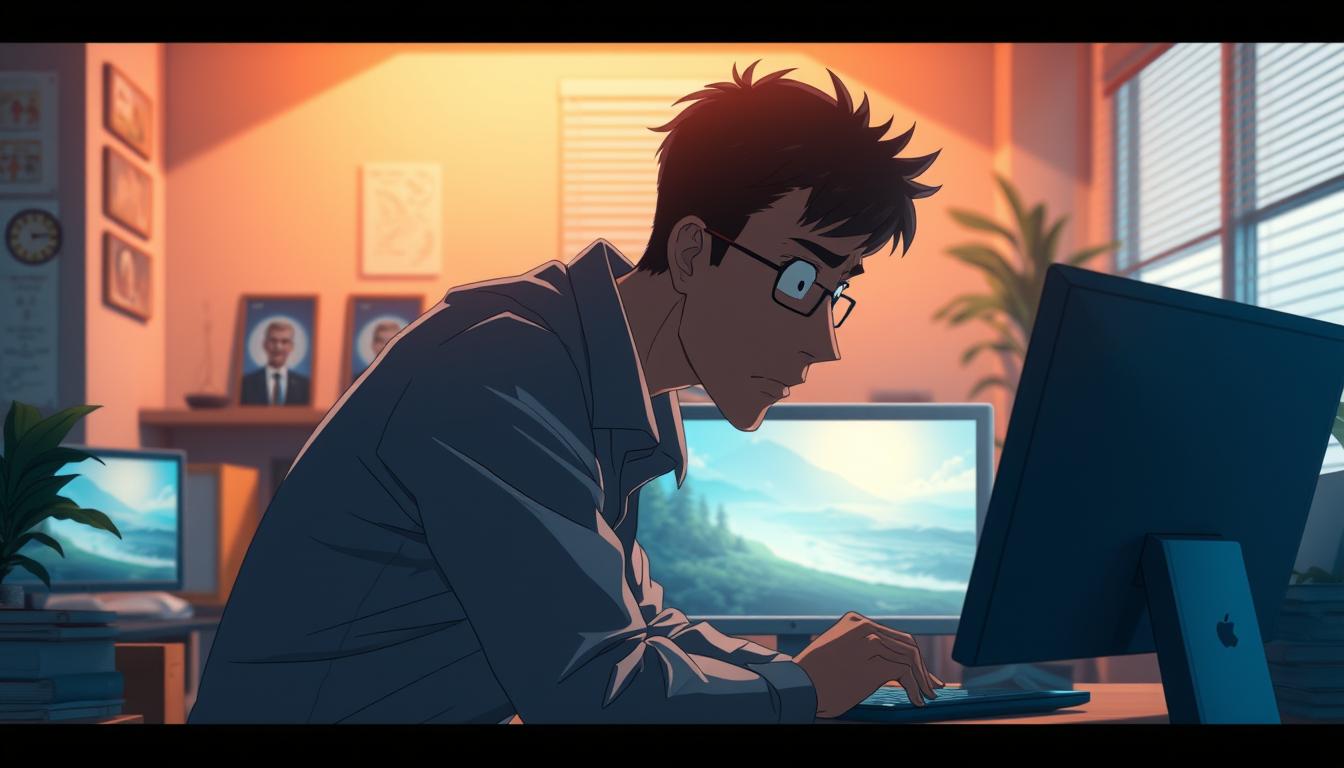
Ever felt your chest tighten as deadlines pile up? We’ve all been there—staring at a screen while our minds race faster than the clock. Workdays can feel like marathons, leaving us drained and overwhelmed. But what if you could hit pause, even for just five minutes, to reset?
At some point, we all need tools to navigate those tense moments. That’s why we’re sharing strategies designed for real people with real schedules. Whether you’re juggling meetings or facing an inbox avalanche, simple techniques can help you regain focus.
This article isn’t about grand gestures. It’s about practical steps you can take right now. We’ll explore bite-sized methods—including visual guides that fit seamlessly into your day. These resources are tailored for professionals across the U.S. who crave balance without sacrificing productivity.
Ready to transform how you handle pressure? Let’s walk through approaches that prioritize both your well-being and efficiency. Because calm isn’t just a luxury—it’s a necessity for thriving in today’s fast-paced world.
Key Takeaways
- Short, focused breaks can dramatically improve focus during hectic days
- Visual guides offer immediate strategies for tension relief
- Techniques are designed for seamless integration into busy schedules
- Solutions prioritize both mental clarity and task completion
- Approaches work for various work environments across the U.S.
Understanding Work Stress: Causes, Symptoms, and Implications
When your coffee cools faster than your temper at work, you’re likely facing modern workplace pressure. This invisible strain creeps in through overflowing inboxes, back-to-back Zoom calls, and projects that multiply overnight. Nearly 80% of U.S. workers report feeling its grip weekly—not surprising when 60% of teams operate with leaner staff than five years ago.

What fuels this tension? Unrealistic timelines top the list, followed by unclear expectations and communication gaps. You might notice physical clues first: headaches after marathon screen sessions, restless nights replaying conversations, or decision fatigue by noon. Emotionally, it often manifests as snapping at colleagues over minor issues or dreading Sunday evenings.
Left unchecked, these patterns create ripple effects. Chronic exhaustion weakens immune function, while mental fog leads to missed details in critical reports. Relationships suffer too—both professionally and personally. But here’s the hopeful twist: brief interventions can disrupt this cycle.
Digital tools like guided sessions (we’ll explore these soon) offer science-backed pauses during chaos. They’re part of a holistic approach that acknowledges modern work realities. Because regaining control starts with recognizing the triggers—and knowing you’re not alone in facing them.
Implementing stress management videos: Quick Techniques for a Calmer Workday
Your third meeting ends, but your to-do list keeps growing. That’s when guided visual tools become workplace lifesavers. These digital resources deliver instant relief through science-backed methods—no lengthy tutorials required.

Top options combine breathing patterns with calming visuals. For example:
- Five-minute sessions syncing breath to moving shapes
- Nature scenes paired with muscle relaxation cues
- Animated progress trackers for mindfulness streaks
Platforms like YouTube host channels dedicated to workplace wellness. Corporate portals increasingly offer curated playlists too. The magic lies in their immediate impact—most strategies work within 90 seconds.
| Platform | Duration | Techniques |
|---|---|---|
| Mobile Apps | 2-10 mins | Paced breathing, body scans |
| Streaming Sites | 5-15 mins | Visual journeys, sound therapy |
| Company Hubs | 3-7 mins | Customized for team needs |
We’ve seen colleagues transform break rooms into mini-retreats using these methods. One project manager shared: “My after-lunch slump vanished when I started midday reset sessions.” The best part? These tools fit between tasks—no schedule overhaul needed.
Integrating Quick Self-Care Practices During Work Hours
Ever glanced at the clock only to realize lunch vanished hours ago? Our bodies whisper warnings we often ignore—stiff shoulders, shallow breaths, or that fourth cup of coffee trembling in your hand. While stress management videos provide guided relief, pairing them with intentional self-care creates lasting resilience.
- Desk stretches: Roll your neck slowly, reach skyward, or twist gently in your chair
- 90-second resets: Inhale for 4 counts, hold for 7, exhale for 8—repeat three times
- Mindful transitions: Pause before starting new tasks to ground yourself
One HR manager shared:
“My focus sharpens when I step away for two minutes of wall push-ups. It’s like hitting a mental refresh button.”
These habits work with digital tools rather than replacing them. While videos guide relaxation, physical movement releases pent-up tension. Brief breaks also combat decision fatigue—studies show even 30-second pauses improve accuracy on complex tasks.
Remember: Self-care isn’t about spa days. It’s the non-negotiable fuel that keeps your problem-solving engine running. By weaving these threads into your day, you build a safety net that catches stress before it spirals.
Conclusion
We’ve walked through strategies that fit between spreadsheets and Slack notifications. These approaches aren’t about adding tasks—they’re about creating pockets of renewal. Guided visual tools offer immediate relief, while simple habits like desk stretches build lasting resilience.
Remember: Five-minute pauses can reshape your entire workday. Pairing short guided sessions with intentional breathing or movement creates a powerful one-two punch against tension. One teacher turned project manager told us: “My team now shares favorite techniques during coffee breaks—it’s become our secret weapon.”
Why not try one method today? Share what works in our forum—your insight might spark someone else’s breakthrough. Together, we’re rewriting the script on workplace pressure.
You’ve got this. And we’ve got your back. Here’s to building a healthier workplace culture—one deep breath at a time.