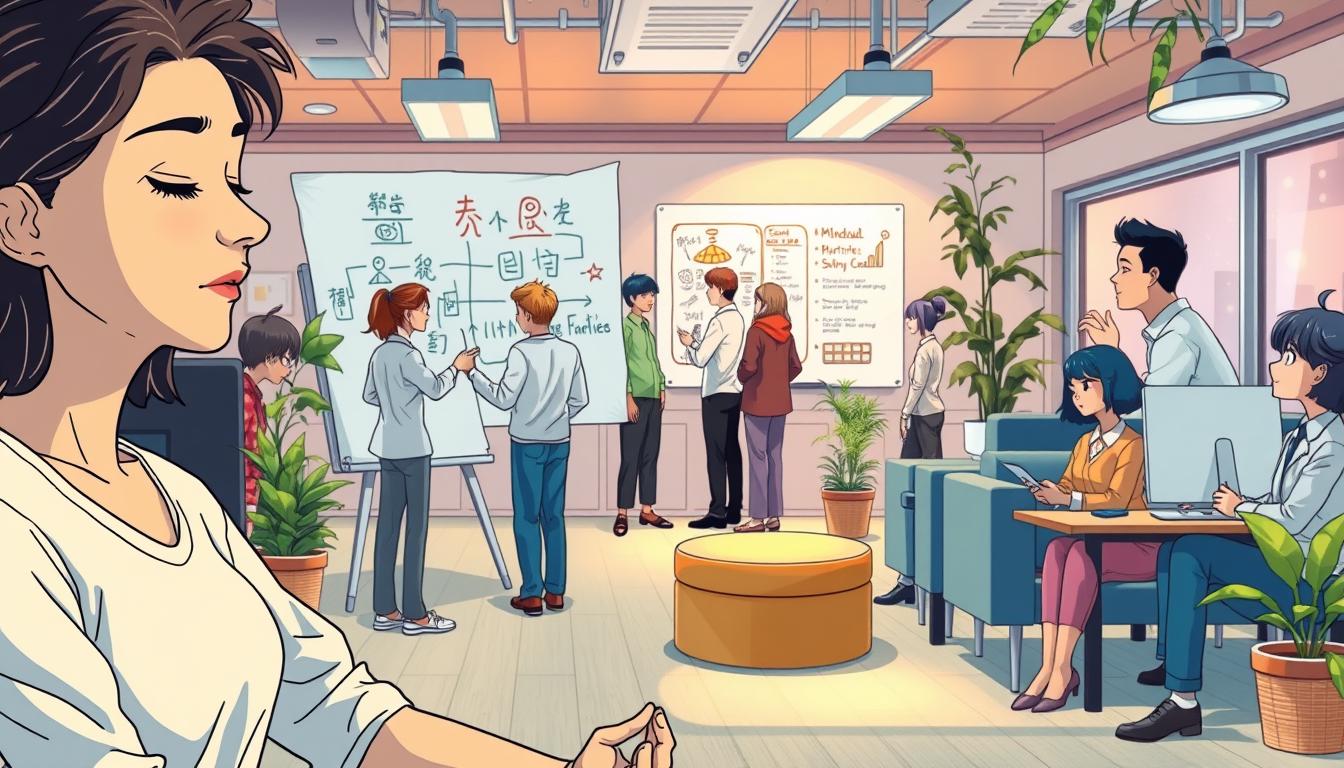
Have you ever felt like your spark is fading? Like every workday leaves you more drained than the last? We’ve all been there. Life moves fast, and the pressure to keep up can quietly chip away at our resilience. Before we know it, exhaustion becomes our normal.
This isn’t just about being tired. Prolonged stress reshapes how we think, feel, and show up in the world. Research shows chronic overwhelm doesn’t just impact productivity—it can weaken immunity, disrupt sleep, and strain relationships. That’s why we created a simple tool to help you spot early warning signs.
Our interactive self-check takes less time than brewing coffee. Developed using methods from leading mental health experts, it’s designed to give clarity—not judgment. Because understanding your limits isn’t weakness—it’s wisdom.
In the next few minutes, you’ll discover practical habits that go beyond basic “self-care.” These aren’t quick fixes, but sustainable shifts to help you reclaim your energy and create healthier boundaries. Whether you’re navigating a demanding career or balancing multiple roles, these strategies work with real life—not against it.
Key Takeaways
- Chronic stress impacts both emotional well-being and physical health
- Early detection helps prevent long-term mental health challenges
- Our 2-minute self-assessment draws from validated professional tools
- Seven actionable habits support sustainable energy management
- Healthy boundaries improve work performance and personal relationships
- Therapy techniques can be adapted for daily stress reduction
Understanding Burnout and Its Impact on Our Lives
When was the last time you felt truly rested, both mentally and physically? That relentless tiredness creeping into your mornings might be more than just a rough week. Chronic fatigue acts like a dimmer switch on your entire life—dulling motivation, focus, and even simple joys.

Research from the Maslach Burnout Inventory reveals three core markers:
- Emotional depletion that coffee can’t fix
- Cynicism toward responsibilities that once mattered
- Declining performance despite increased effort
Your body sends signals too. Headaches, muscle tension, and sleep disruptions often accompany prolonged stress. Left unchecked, these physical health warnings can evolve into hypertension or weakened immunity.
That’s why tools like the Oldenburg Burnout Inventory use 20-25 questions to spot patterns. Our free assessment works similarly—think of it as a wellness checkup for your mind. It takes minutes, but the clarity helps you:
- Identify energy leaks
- Recognize emotional exhaustion triggers
- Decide when professional guidance could help
Nearly 40% of people who take our burnout test discover they’ve normalized symptoms for months. Early action prevents that “running on empty” feeling from becoming your new normal. Because sometimes, the bravest step is admitting you need tools—or support—to rebuild your resilience.
Using Our job burnout questionnaire for Self-Assessment
How well do you recognize your own stress signals? Our interactive tool helps decode your energy patterns in less time than scrolling through social media. Designed with input from mental health experts, it uses 20-25 thoughtful prompts to map your current emotional landscape.

This isn’t about labels. The tests act like a mirror, reflecting habits you might’ve normalized—like skipping meals or feeling constant low-grade anxiety. Over 60% of users discover their eating patterns and sleep quality directly connect to their stress levels.
While not a diagnostic tool, the assessment compares your responses to aggregated data from thousands of others. You’ll see how your life rhythms stack up against healthy benchmarks. If results suggest deeper challenges, we always recommend connecting with a licensed therapist for personalized guidance.
What makes this different? We focus on actionable insights rather than clinical terms. You’ll leave knowing:
- Which daily activities drain vs. sustain you
- How your stress responses compare to others’ experiences
- When professional support might accelerate your progress
Take the 4-minute checkup between meetings or while your coffee cools. Understanding your unique stress syndrome patterns is the first step toward designing a life that fuels rather than depletes you. Ready to see what your habits reveal?
Implementing 7 Habits to Protect Our Energy and Sanity
What if small daily choices could act as armor against exhaustion? These seven science-backed strategies take less time than brushing your teeth but create lasting defenses against overwhelm.
- Hydrate before caffeine – water jumpstarts focus better than coffee
- Practice 4-7-8 breathing during transitions (4-second inhale, 7-second hold, 8-second exhale)
- Schedule “white space” between tasks – even two minutes prevents mental pileup
Nutrition matters more than we realize. Try the “rainbow plate” approach – three colorful fruits/veggies at every meal. This simple visual cue boosts nutrient intake without calorie counting.
Movement isn’t just gym sessions. Dance breaks while cooking or calf raises during calls count. Our bodies crave varied motion – research shows 5-minute activity bursts improve circulation better than sitting all day.
Create a non-negotiable wind-down ritual. Dim lights 90 minutes before bed and write tomorrow’s priority list. This combats decision fatigue and signals your nervous system to relax.
Support systems work best when proactive. Schedule weekly check-ins with friends who energize you – virtual or in-person. For tougher challenges, many therapists now offer 25-minute “coaching” sessions perfect for specific issues.
Boundary-setting starts small. Use phrases like “I need to consult my calendar” before committing to new requests. This creates space to assess your capacity without confrontation.
Remember – consistency beats intensity. Choose one habit this week, master it, then layer others. Small wins build the resilience muscle protecting your peace.
Setting Effective Boundaries in the Workplace
How often do we say “yes” when our energy whispers “no”? Clear workplace limits aren’t about building walls—they’re bridges to healthier relationships and sustained productivity. Studies show employees with defined boundaries experience 37% less emotional exhaustion than those without.
Start with communication that honors your capacity. Phrases like “I can tackle this after completing my current priorities” set expectations without conflict. This approach preserves team dynamics while protecting your focus.
| Boundary Type | Impact on Relationships | Emotional Outcome |
|---|---|---|
| Email curfews | Reduces after-hours stress | Strengthens family connections |
| Meeting limits | Improves colleague respect | Decreases feelings of overwhelm |
| Task transparency | Builds trust with managers | Prevents isolation |
Notice how family time suffers when work bleeds into evenings? Try these action steps:
- Color-code your calendar (red = non-negotiable personal time)
- Set auto-replies for off-hours communication
- Schedule weekly check-ins with supervisors about workload
When boundaries feel challenging, ask two key questions: “Does this align with my values?” and “What would I advise a friend?” This perspective shift helps overcome guilt about protecting your peace.
Persistent boundary violations can contribute to depression risk factors like chronic stress. If you experience ongoing disregard for your limits, consider discussing options with HR or a mental health professional. Remember—healthy workplaces respect personal needs as much as professional contributions.
Conclusion
Your energy reserves aren’t endless—but with the right strategies, they can be renewable. We’ve explored how recognizing early warning signs transforms stress management from reactive to proactive. Our interactive check-in serves as your personal compass, helping navigate energy leaks before they become bigger problems.
The seven daily habits work best when tailored to your unique lifestyle. Whether it’s hydration before caffeine or strategic breathing breaks, these small shifts build compound interest in your wellbeing. Pair them with clear relationship boundaries at work and home for lasting results.
Remember, sustainable energy management isn’t a destination—it’s a way of moving through life. Track changes in your state using our tool every 6-8 weeks. Notice patterns? That’s your cue to adjust strategies or explore new support types.
Small steps create big shifts. Start with one habit this week—maybe the rainbow plate approach or scheduled wind-down time. Your future self will thank you for prioritizing lifestyle choices that honor both ambition and peace. Ready to turn insight into action?